Project 9: Automated Plant Waterer
Are you notoriously bad at remembering to water your houseplants? Are you tired of your ferns judging you as they slowly wither away? Today, we are building a life-saver: an Automated Plant Waterer. It will sense when the soil is dry and aggressively pump water into the pot so you don’t have to.
How It Works
This project introduces you to working with real-world mechanical components (a water pump) and higher-power switching (a relay).
- Capacitive Soil Moisture Sensor: Unlike cheap resistive sensors that corrode after a few weeks in wet dirt, capacitive sensors last for years. It measures the dielectric permittivity of the soil to determine water content.
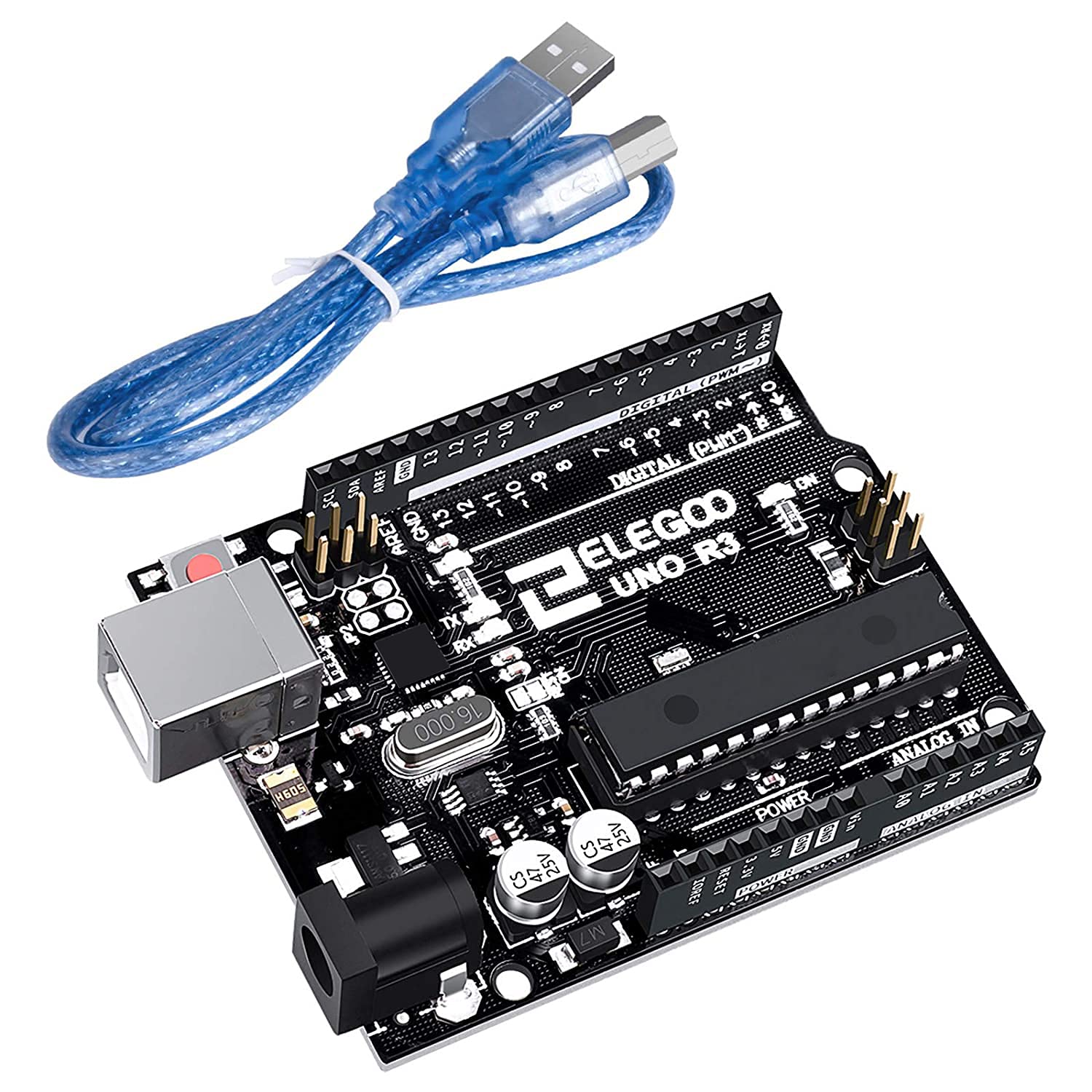
- Arduino Uno R3: The brain of the operation. It constantly reads the moisture level. When it drops below a threshold, it sends a signal.
- 5V Relay Module: The Arduino’s pins can’t provide enough current to drive a motorized water pump safely. A relay acts as an electronic switch. The Arduino flips the switch, and the relay connects the pump to a stronger power supply.
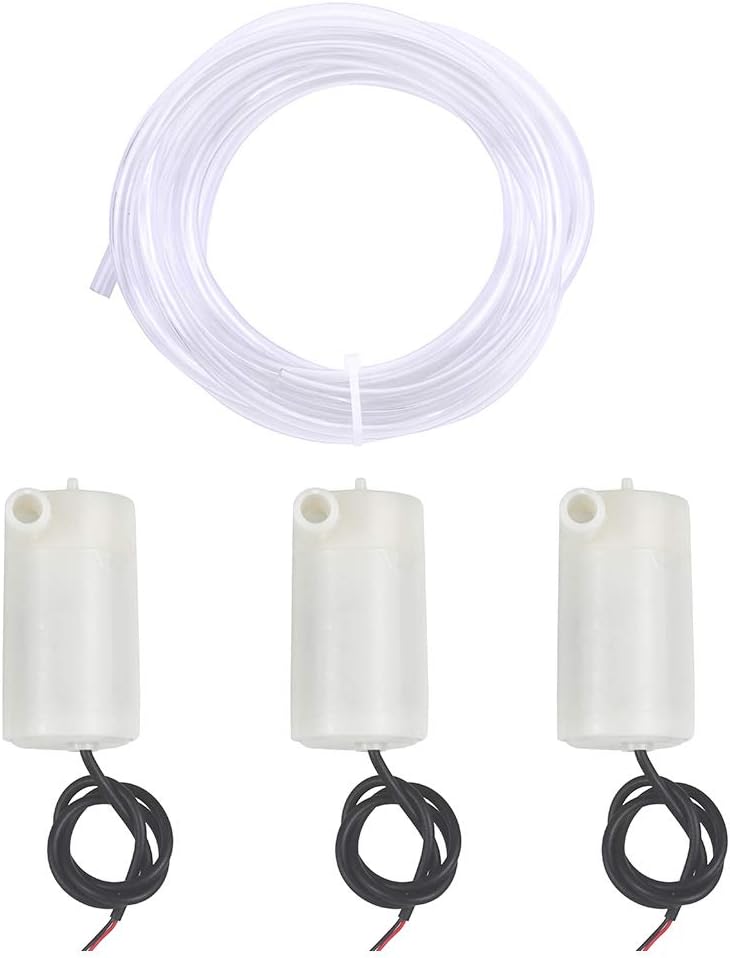
- 5V Submersible Pump: Placed in a reservoir (like a mason jar of water), it pumps water through a silicone tube straight into your plant’s pot.
Recommended Guides to Follow
For step-by-step wiring diagrams and code, these are some excellent real-world guides to build this project:
- ArduinoGetStarted: Automatic Irrigation System - Excellent beginner-friendly guide with line-by-line code explanations.
- Arduino Project Hub: DIY IoT Plant Watering System - A more advanced take if you want to add Wi-Fi and app control later.
Recommended Gear & Components
Using the right components makes a huge difference here. A corroded sensor or a jammed pump can flood your desk. Here are the exact parts we recommend:
- Microcontroller: ELEGOO UNO R3 Board
- Sensor: Gikfun Capacitive Soil Moisture Sensor (Essential: Do not buy the two-pronged resistive sensors, they rust instantly!)
- Switch: HiLetgo 5V One Channel Relay Module
- Pump: WayinTop 5V DC Mini Water Pump (with tubing)
(Note: These are direct Amazon links so you can get the right parts without hassle.)