You’ll spend a surprising amount of time cutting and stripping wires. Using your teeth or a dull pair of scissors is a surefire way to damage the wire—or your dental work! But with so many types of wire strippers and cutters on the market, what do you actually need? Today, we put three common styles head-to-head to help you decide how to properly mangle copper wire.
1. The Essential Flush Cutter: Hakko CHP-170
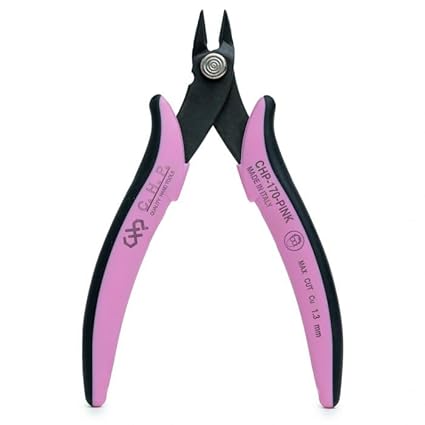
What it is: A flush cutter is a tiny, precise pair of snippers designed to cut wire perfectly flat (flush) against a circuit board. Best for: Snipping the legs off through-hole components (like resistors and LEDs) after soldering, and cutting small gauge jumper wires.
If there is only one tool you buy from this list, make it a flush cutter. Standard wire cutters leave a sharp “pinch” point on the wire that can cause shorts or poke through heat shrink tubing. The Hakko CHP-170 is the gold standard for electronics hobbyists. It’s affordable, incredibly sharp, and can cleanly snip copper wire up to 16 AWG.
- Pros: Cheap, extremely precise, comfortable grips, essential for PCB work.
- Cons: Cannot strip wire (it only cuts); easily damaged if you try to cut hard steel wire.
- Check Price on Amazon
2. The Reliable Manual Stripper: Klein Tools 11055
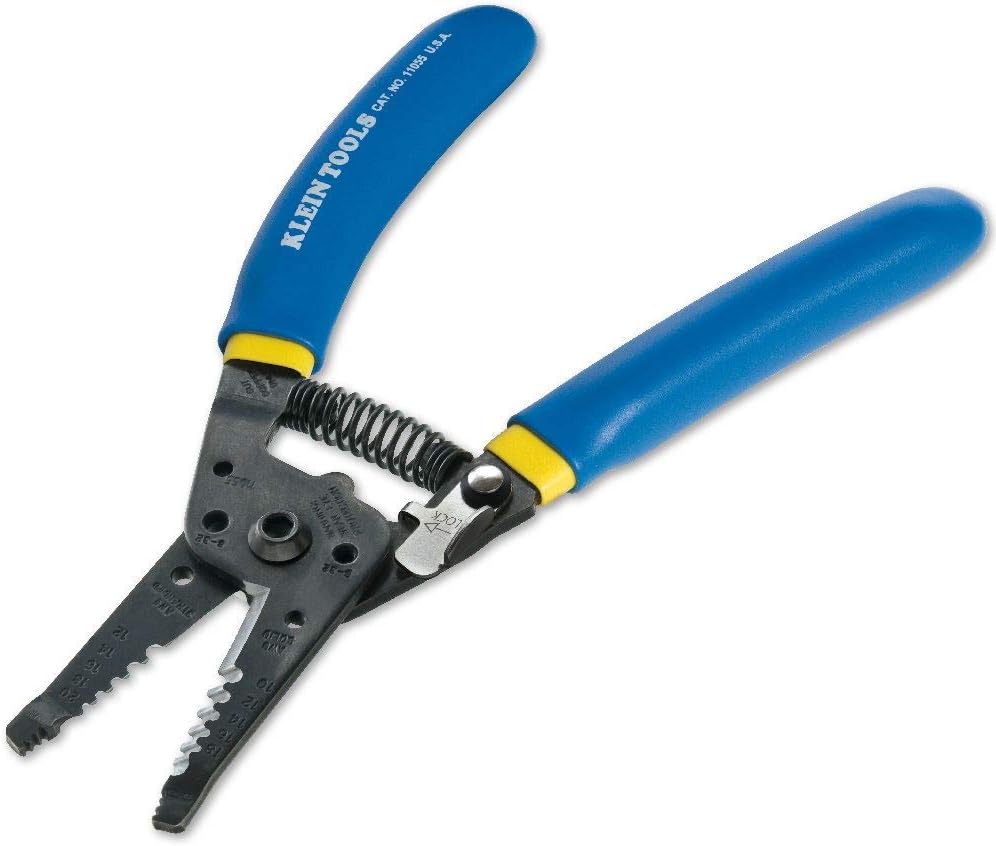
What it is: A traditional, manual wire stripper with precision-ground holes for different wire gauges (AWG). Best for: Stripping stranded and solid core wire quickly and accurately.
Once your wire is cut, you need to strip the insulation off the ends to solder or plug it into a breadboard. Manual strippers require you to match the wire to the correct hole size on the tool. The Klein Tools 11055 is an electrician’s favorite that works beautifully for hobbyists. It strips 10-18 AWG solid wire and 12-20 AWG stranded wire.
- Pros: Very durable, clean strips without damaging the copper, doubles as a wire cutter.
- Cons: You must know (or guess) the gauge of the wire; slower than automatic strippers if you are stripping many wires.
- Check Price on Amazon
3. The Speedy Automatic Stripper: Irwin Vise-Grip Self-Adjusting
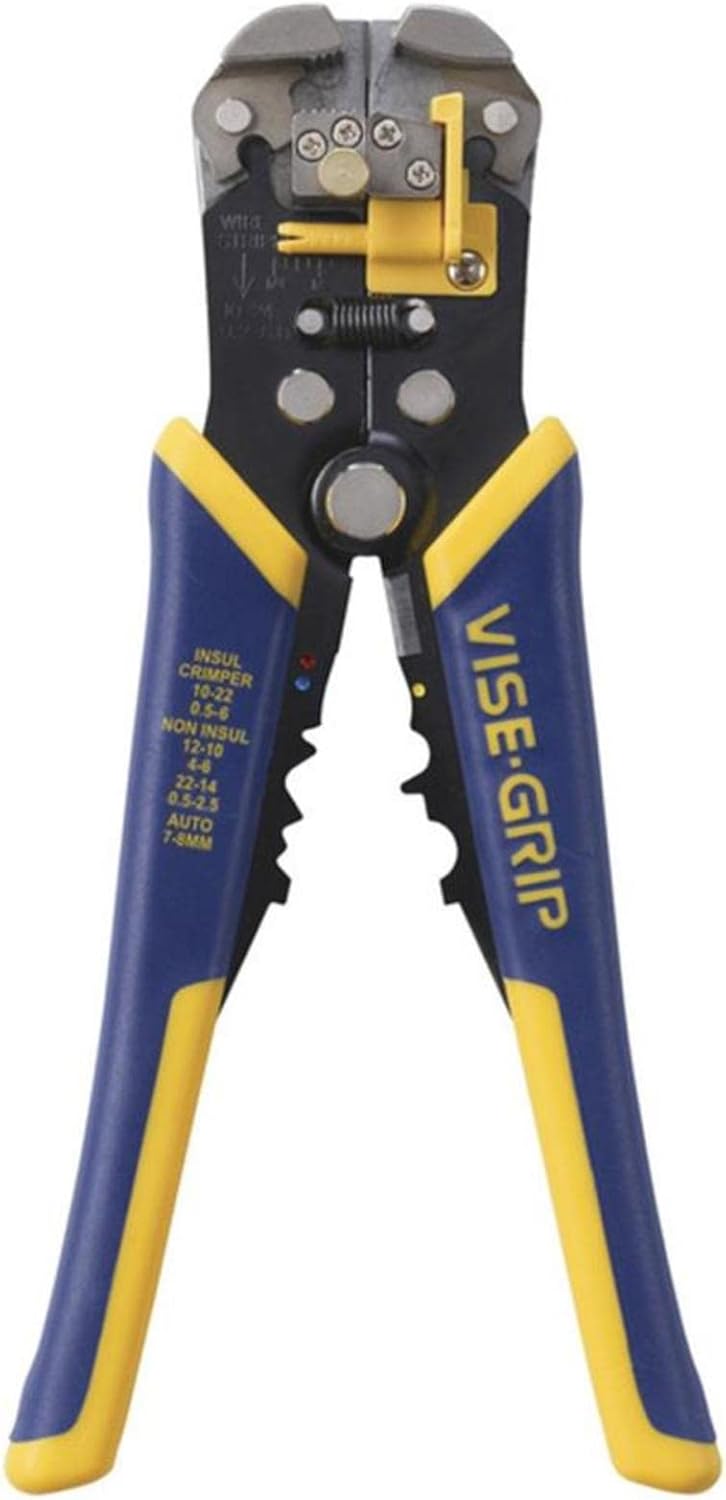
What it is: A self-adjusting tool that grabs the wire and pulls the insulation off automatically, regardless of the gauge. Best for: High-volume work, stripping very thin wires, or users who struggle with manual strippers.
If you are wiring up a massive LED matrix or building a robot with dozens of connections, an automatic stripper is a huge time-saver. You just stick the wire into the jaw of the Irwin Vise-Grip and squeeze. It figures out the thickness and strips the insulation perfectly.
- Pros: Incredibly fast, no need to know the wire gauge, includes a built-in crimper and cutter.
- Cons: Bulky, can sometimes “bite” too hard on very cheap silicone wire, more expensive than manual tools.
- Check Price on Amazon
The Verdict: What Should a Beginner Buy?
- Absolute Beginners: Start with the Hakko CHP-170. You need a flush cutter for soldering. You can technically get away with carefully using a knife to strip wires early on, but you can’t substitute a flush cutter.
- The Sweet Spot: Combine the Hakko CHP-170 with the Klein Tools 11055. This covers 99% of all electronics tasks you will encounter.
- The Power User: If you plan on building complex projects with dozens of wires, upgrading to the Irwin Vise-Grip Automatic Stripper will save your hands and hours of your time.