When it comes to soldering, one of the most underrated tools on your bench is flux. While most solder has a rosin core, adding extra flux can turn a frustrating, clumpy mess into a smooth, shiny joint. But with syringes, pens, and tins of paste available, which gooey substance should you smear on your PCB? Let’s put three common styles head-to-head.
Why Flux Matters
Before we compare the models, let’s look at why you need flux:
- Oxidation Removal: Metal oxidizes when exposed to air. Heat accelerates this. Flux cleans off these oxides instantly, allowing the solder to bond to the metal rather than the oxide layer.
- Heat Transfer: Liquid flux helps spread the heat from your soldering iron tip to the component leg and pad more evenly.
- Surface Tension: It breaks the surface tension of the molten solder, causing it to flow beautifully across the pad and preventing solder bridges (shorts).
The Contenders
1. MG Chemicals 8341 No Clean Flux Paste
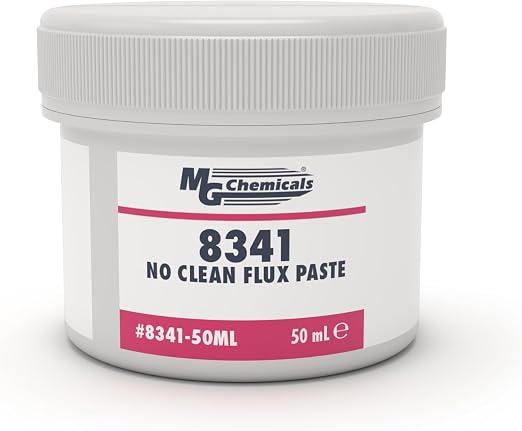
Best For: Surface Mount Devices (SMD), Drag Soldering, and precision work.
This is a premium, syringe-dispensed flux paste. “No Clean” means that the residue left behind is non-corrosive and non-conductive. While you can leave it on the board, most pros still clean it off with isopropyl alcohol for a pristine look.
- For Beginners: The syringe makes it incredibly easy to apply exactly where you need it without making a mess. It stays in place (doesn’t run off the board) and makes soldering tiny SMD chips almost feel like cheating.
- For Pros: The tackiness of the paste holds tiny components in place before you solder them down, which is invaluable during hot air rework.
- Get it here: MG Chemicals 8341 No Clean Flux Paste on Amazon
2. Kester 951 No-Clean Liquid Flux Pen
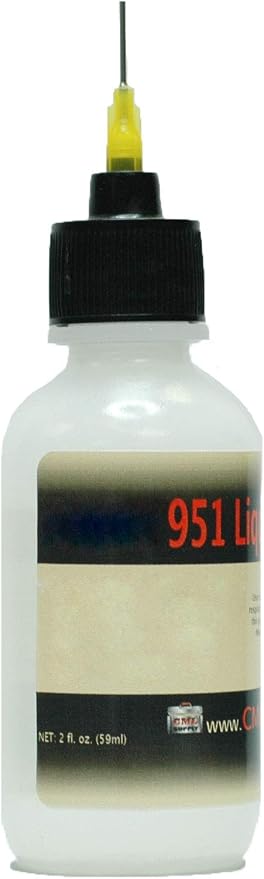
Best For: Through-hole components, quick touch-ups, and wire tinning.
Liquid flux delivered via a felt-tip pen. Kester is an industry legend, and the 951 formulation is watery and highly active when heated.
- For Beginners: A flux pen feels as natural to use as a Sharpie. If you are soldering standard through-hole components (like resistors or LEDs on a perfboard), you just draw on the pads before soldering. However, because it’s a liquid, it evaporates very quickly under heat.
- For Pros: It leaves almost zero visible residue, meaning you can assemble a board rapidly without needing a heavy ultrasonic cleaning cycle afterwards.
- Get it here: Kester 951 No-Clean Liquid Flux Pen on Amazon
3. Rosin Soldering Flux Paste (Traditional Tin)
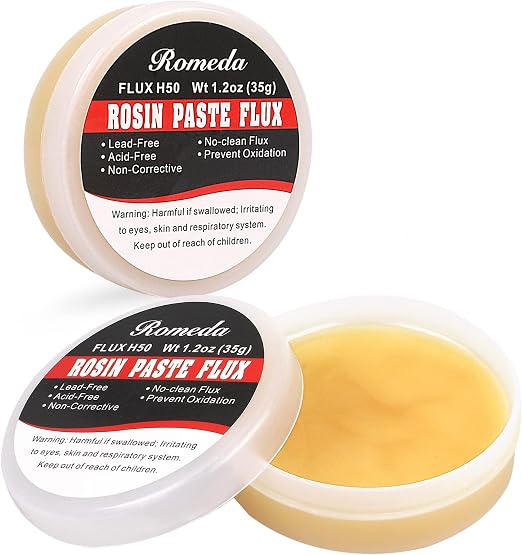
Best For: Heavy-duty wire tinning, large connectors, and budget setups.
This is the classic yellow/amber rosin paste that comes in a small tub or tin. It’s thick, sticky, and highly active.
- For Beginners: It’s incredibly cheap and lasts forever. To use it, you normally dip the stripped end of a wire directly into the paste before tinning it. It makes soldering thick 12AWG wires (like those on batteries or motors) an absolute breeze.
- For Pros: It leaves a sticky, ugly amber residue that must be cleaned off if you want a professional-looking board. It’s generally too messy for delicate SMD work but remains a staple for heavy gauge wire work.
- Get it here: Rosin Soldering Flux Paste on Amazon
The Verdict: Beginner vs. Pro
If you are a Beginner, the Flux Pen (Kester 951) is arguably the best starting point. It’s mess-free, intuitive, and perfectly suited for the through-hole Arduino starter kits and simple projects you’ll be building initially.
If you are a Pro (or stepping up to SMD [Surface Mount] soldering), the MG Chemicals Flux Paste (Syringe) is mandatory. The ability to tack components down and drag-solder multi-pin ICs requires the physical properties of a good paste flux.
Our Recommendation: Keep a tin of traditional rosin for your thick wires, and grab a syringe of No-Clean paste for everything else. Happy soldering!