Microcontroller Showdown: Arduino Uno vs. ESP32 vs. Raspberry Pi Pico
When you’re ready to step past basic circuits and actually start programming, you need a microcontroller. These tiny computers act as the brain of your projects, reading sensors and making decisions based on your terribly written code. But which one should you start with? Today, we’re comparing the three most popular microcontrollers to help you pick the perfect electronic brain.
1. The Classic Standard: Arduino Uno R3
(Image: Arduino Uno R3)
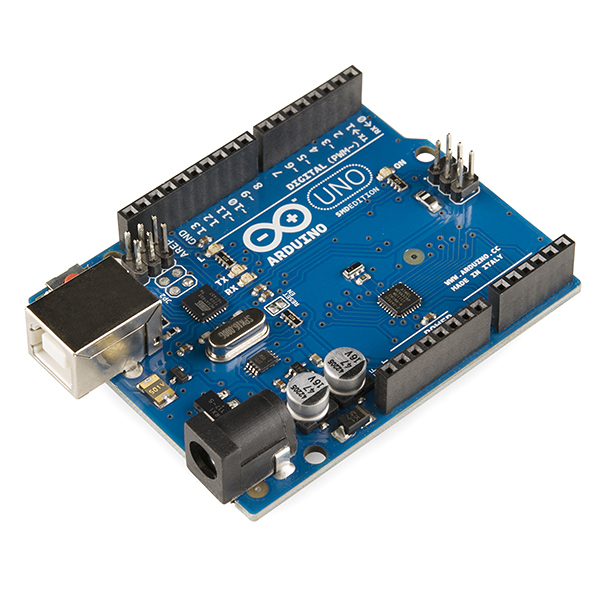
The Arduino Uno is the undisputed king of beginner electronics. If you look up a tutorial for almost any sensor or component, the example code will likely be written for an Arduino Uno.
The Specs:
- Processor: 8-bit ATmega328P (16 MHz)
- Memory: 32 KB Flash, 2 KB SRAM
- Voltage: 5V Logic (Accepts 7-12V input)
- Connectivity: None (No Wi-Fi or Bluetooth out of the box)
The Pros:
- Unmatched Ecosystem: The Arduino IDE and community are legendary. If you run into a problem, someone has already solved it and posted the answer online.
- Durability: The Uno uses 5V logic and is surprisingly forgiving if you accidentally wire something backwards. It’s tough enough to survive the learning process.
- Shields: You can easily stack expansion boards (called “shields”) on top of the Uno to add features like motor control or SD card readers without messy wiring.
The Cons:
- Underpowered: By modern standards, 16 MHz and 2 KB of RAM is incredibly slow and small. It will struggle with complex displays or heavy math.
- No Wireless: In an IoT world, the lack of built-in Wi-Fi makes it feel a bit dated for smart home projects.
Verdict: The absolute best choice for your very first microcontroller. It’s the easiest way to learn the basics of coding and hardware interaction.
2. The IoT Powerhouse: ESP32
(Image: ESP-WROOM-32 Module)
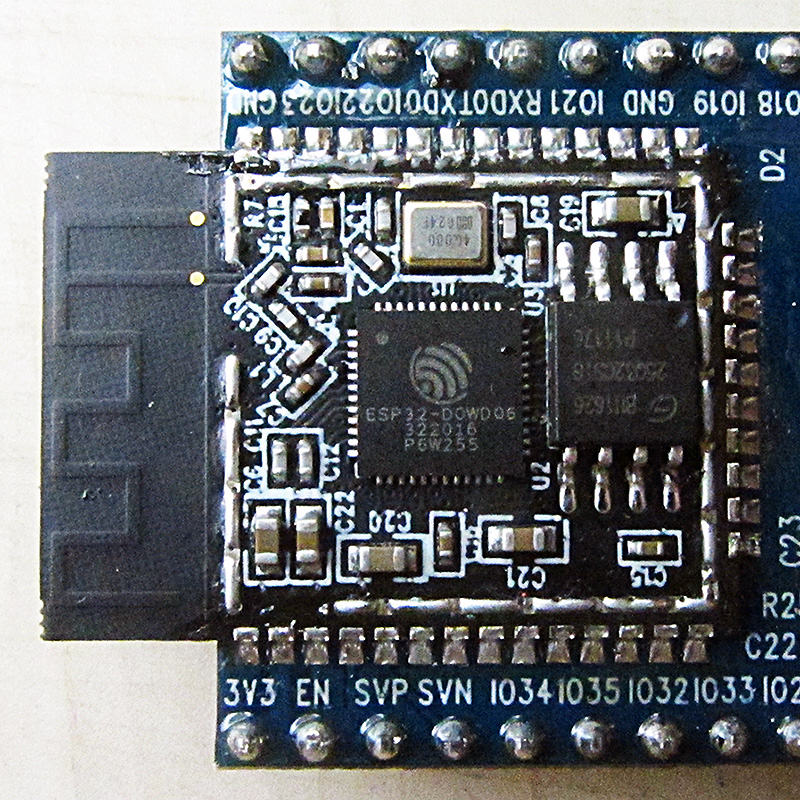
If the Arduino Uno is a reliable bicycle, the ESP32 is a sports car. Developed by Espressif Systems, this chip changed the maker world by packing incredible power and wireless connectivity into a dirt-cheap package.
The Specs:
- Processor: 32-bit Dual-Core (up to 240 MHz)
- Memory: 4 MB+ Flash, 520 KB SRAM
- Voltage: 3.3V Logic
- Connectivity: Built-in Wi-Fi and Bluetooth (Classic & BLE)
The Pros:
- Wireless Built-In: This is the main selling point. If you want to build a weather station that tweets, a smart light bulb, or a web server, the ESP32 handles it effortlessly.
- Massive Power: The dual-core processor absolutely crushes the Uno in speed and memory.
- Price: Despite being vastly more powerful, ESP32 development boards often cost less than an official Arduino Uno.
The Cons:
- 3.3V Logic: Many older sensors are designed for 5V. Connecting them directly to the ESP32 can fry the board. You have to be more careful with your wiring and voltage levels.
- Steeper Learning Curve: While you can program it using the Arduino IDE, the sheer number of features and pins can be overwhelming for a complete beginner.
Verdict: The go-to board for intermediate makers and anyone building Internet of Things (IoT) devices.
3. The Modern Contender: Raspberry Pi Pico
(Image: Raspberry Pi Pico and other boards)
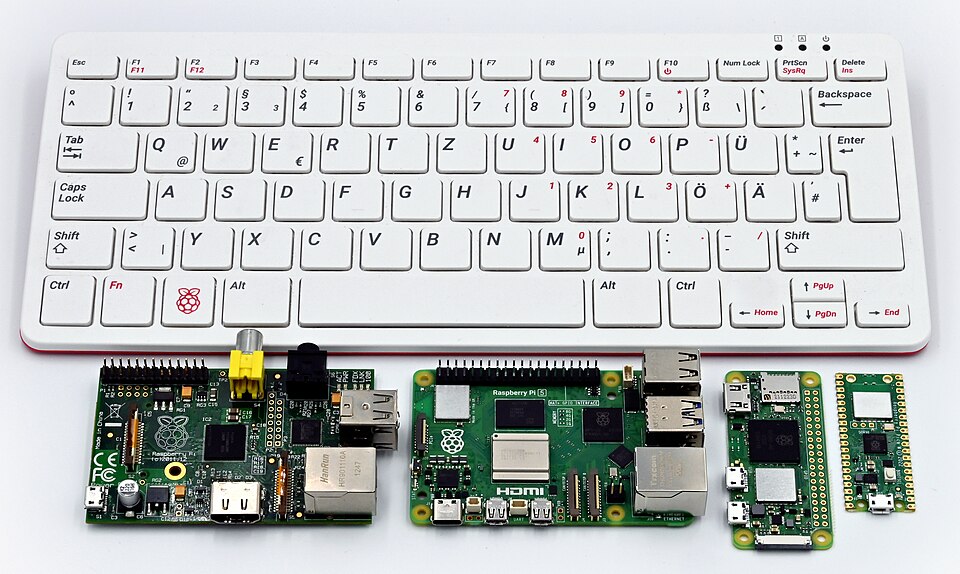
Don’t confuse this with the full-sized Raspberry Pi computers. The Pico is the Raspberry Pi Foundation’s entry into the microcontroller market, powered by their custom RP2040 chip.
The Specs:
- Processor: 32-bit Dual-Core ARM Cortex-M0+ (133 MHz)
- Memory: 2 MB Flash, 264 KB SRAM
- Voltage: 3.3V Logic
- Connectivity: None on the base model (Pico W adds Wi-Fi)
The Pros:
- MicroPython Support: While you can use C/C++, the Pico was designed to shine with MicroPython. For many beginners, Python is much easier to read and write than Arduino’s C++.
- PIO (Programmable I/O): This is a killer feature for advanced users. It essentially allows you to create custom hardware interfaces, making the Pico incredibly flexible for complex timing tasks (like driving massive LED walls).
- Cost: At $4 for the base model, it’s practically disposable.
The Cons:
- Newer Ecosystem: While growing rapidly, the community and available libraries aren’t quite as vast as Arduino’s just yet.
- No Analog Output (DAC): If you need to generate true analog audio, you’ll need external components.
Verdict: An amazing board if you prefer writing Python code over C++, or if you need extremely precise timing control.
Summary
- Absolute Beginner? Get the Arduino Uno. The community support is invaluable when you’re first starting.
- Building Smart/Wireless Devices? Get the ESP32. It’s the king of DIY IoT.
- Want to Code in Python? Get the Raspberry Pi Pico. It’s cheap, powerful, and fun to use.